Mental Health News Radio
A long-running podcast covering a wide range of mental health topics, including neurodivergence, relationships, and parenting.
Meet My Autistic Brain
A podcast sharing personal, first-person accounts of what it’s like to think and experience the world as an autistic person.
The Neurodivergent Woman
A podcast centering the experiences of autistic and ADHD women, covering diagnosis, identity, relationships, and self-understanding.
Exploring the Sensory Experiences of Autistic Mothers as Occupational Beings
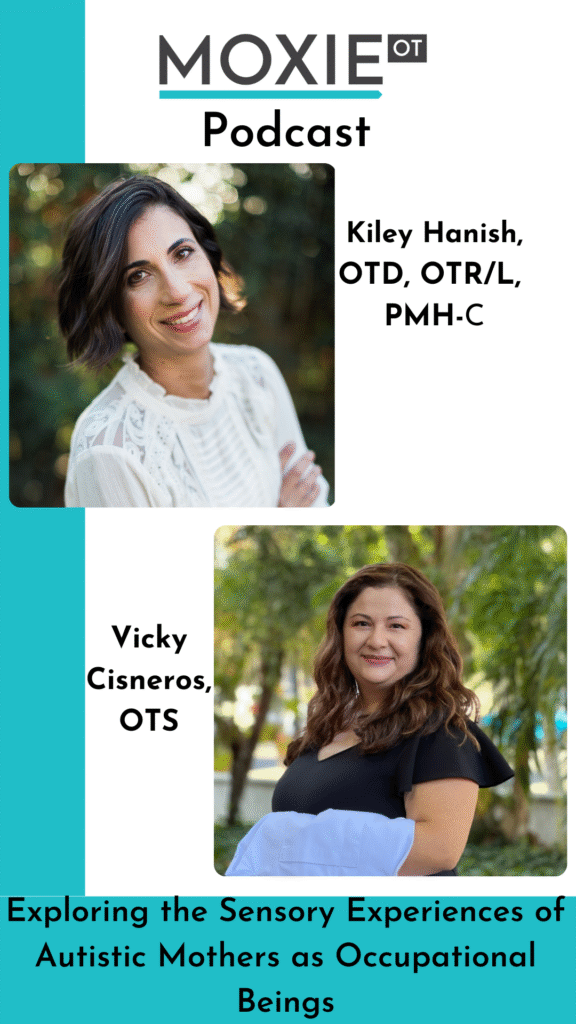
An occupational-therapy-focused podcast conversation on how sensory processing differences shape the daily experience of autistic mothers, from caregiving routines to self-care.
Autism and ADHD Diagnoses in Motherhood
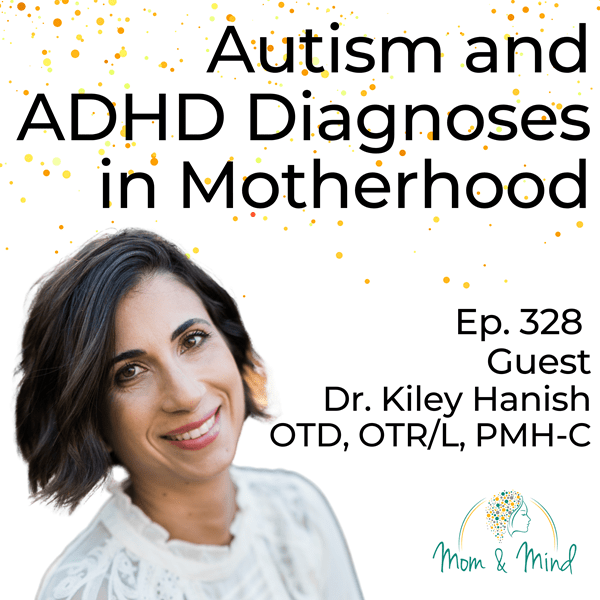
A podcast episode exploring what it’s like to discover you’re autistic and/or ADHD while already deep into motherhood, and how that diagnosis reshapes a mother’s understanding of herself and her parenting.
Autism in Heels: The Untold Story of a Female Life on the Spectrum
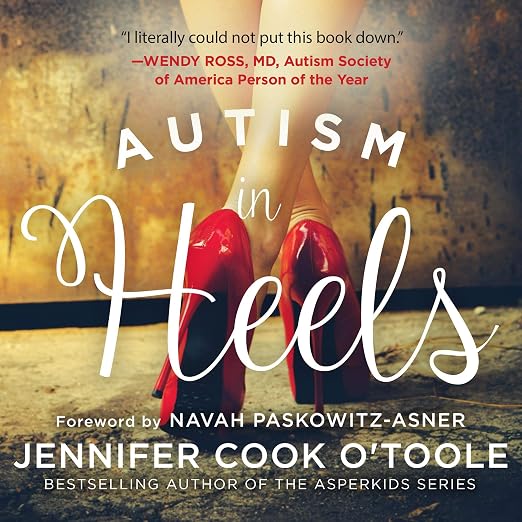
A memoir from a woman diagnosed with autism in adulthood, blending humor and honesty to describe building a marriage, career, and sense of self while unmasking as an autistic woman.
The Vital Importance of Diagnosis of Autism in Women and Girls
We Need Better Diagnostic Tests for Autism in Women
A Scientific American essay by an autistic woman making the case that autism diagnostic tools were built around boys and men, and need to be redesigned with input from autistic women so traits that look different in girls and women stop getting missed.
Women and Autism (Neurodivergent Insights)
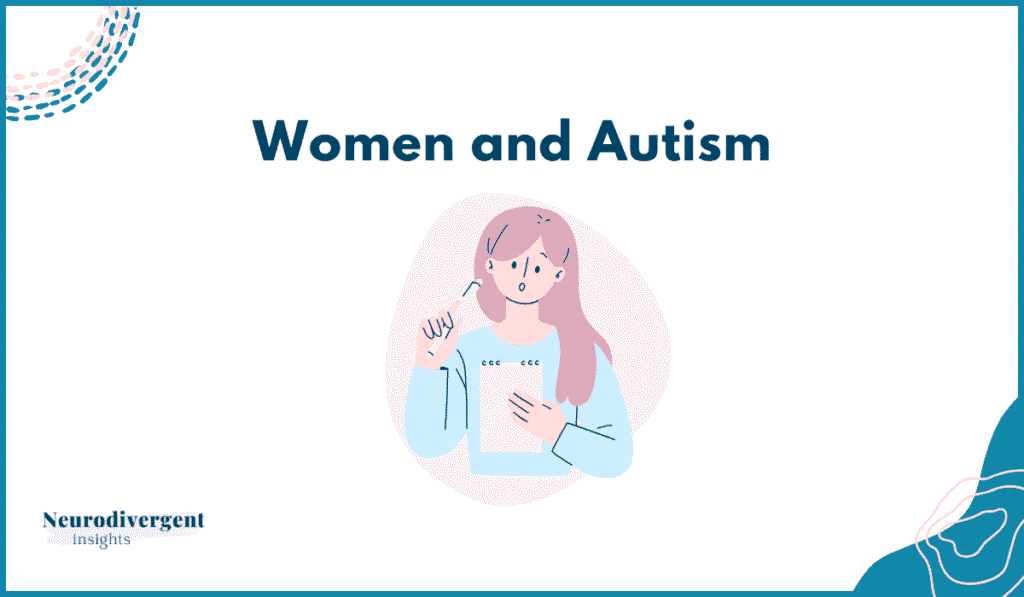
By Dr. Megan Anna Neff of Neurodivergent Insights, this piece unpacks why autism is so often missed or diagnosed late in women and AFAB people — how traits can look different or go unrecognized — and why getting an accurate diagnosis matters for long-term wellbeing.
Sensory Experience of Autistic Mothers
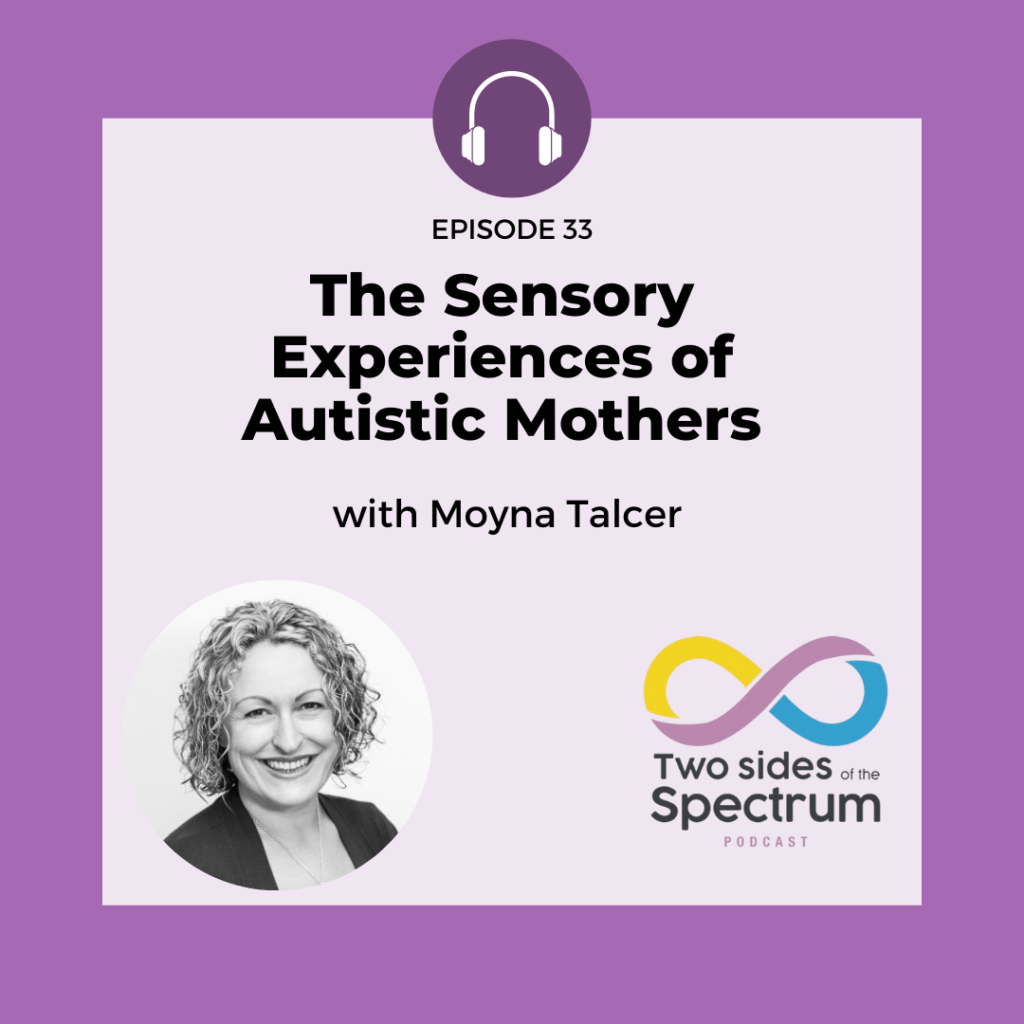
Moyna Talcer is an autistic occupational therapist and researcher who conducted a qualitative study on the sensory experiences of autistic mothers. Her findings have implications for the ways we support not only autistic mothers, but all autistic people, starting in childhood.