
What Is Stimming?
Clicking the end of a pen, twirling your hair, sketching in the margins, tapping your fingers, or bouncing a leg. Most people have done at least one of these without giving it much thought. These repetitive movements and sounds are commonly known as stimming, short for self-stimulatory behavior.
Although stimming is often associated with autism, ADHD, and other forms of neurodivergence – including OCD and anxiety – it is not exclusive to any one group. Neurotypical people stim as well. Whether someone is humming while working, chewing on a pencil, or absentmindedly tapping a foot during a meeting, stimming is a common part of the human experience.
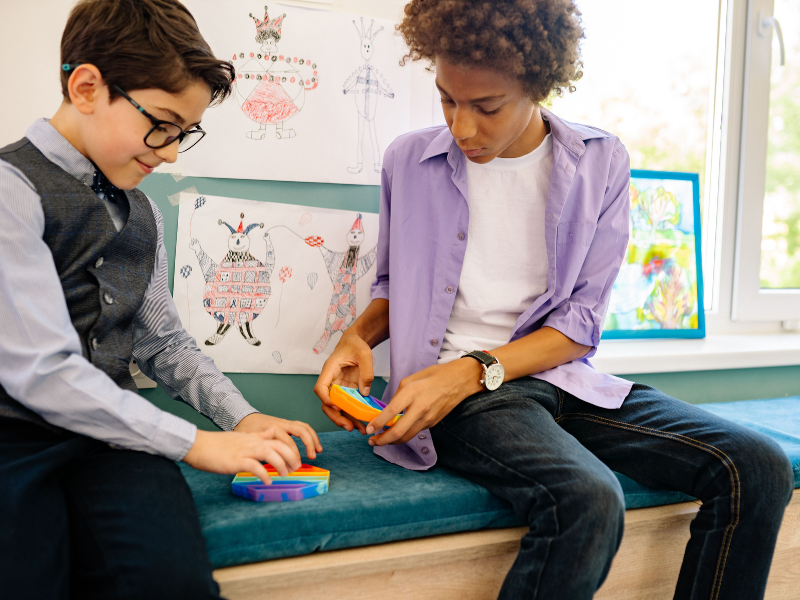
Why Do People Stim?
In many cases, stimming helps people regulate their emotions, attention, or sensory experiences. It may help someone cope with stress, release nervous energy, express excitement, improve concentration, or simply provide a pleasant sensory experience. Many stims happen automatically, without conscious planning, regardless of whether the person is diagnosed as neurodivergent.
For some neurodivergent individuals—including not just children, but also adults with ADHD—stimming can also help manage sensory overwhelm or provide additional sensory input when the environment feels understimulating. Rather than being a meaningless habit, stimming often serves a useful purpose for the person doing it, such as improving focus and executive function.
Because many people are unfamiliar with stimming, they may not recognize their own behaviors or understand why they occur. Young children and some non-speaking individuals may also have difficulty describing these experiences. Observing when and where stimming occurs can sometimes provide helpful clues about what a person is feeling or experiencing.
Different Types of Stimming
Stimming can involve nearly any of the senses or repeated body movements. Some common examples include:
- Auditory: humming, singing, repeating words or phrases.
- Tactile: rubbing fabrics, cracking knuckles, fidgeting with objects.
- Visual: blinking repeatedly, watching spinning objects, tracking lights.
- Movement-based: pacing, rocking, hand flapping, finger tapping, bouncing.
- Oral or olfactory: chewing, licking, sniffing, or mouthing objects.
Many individuals develop their own preferred stims, and these behaviors can change throughout life depending on circumstances and needs. On social media, users discuss what they perceive as stims in themselves and in their children, often mentioning that they didn’t realize they were stims until they learned the term. The word can help people better understand behaviors they may have hidden, minimized, or misunderstood for years.
Stimming is also different from tics. Tics are sudden, involuntary movements or sounds that can feel difficult or impossible to control. Stimming may also happen automatically, but it is often connected to regulation, sensory input, comfort, or focus.

Should Stimming Be Stopped?
In most situations, stimming does not need to be stopped. Historically, some therapeutic approaches focused on reducing or hiding these behaviors so that autistic individuals would appear more socially typical. Although these efforts were often well-intentioned, they frequently resulted in shame, frustration, and the loss of an important coping strategy.
For example, a child who claps or rocks when excited may be told to stop because the behavior looks unusual. While the goal may be to help the child fit in socially, suppressing harmless stims can increase stress without addressing the underlying need that the behavior serves. Instead of asking whether a stim looks unusual, a more helpful question is whether it is causing harm.
When Can Stimming Become a Concern?
Some forms of stimming may require additional support. If you are wondering how to stop stimming, it may be more helpful to ask whether the stim is harmful, disruptive, or simply misunderstood. A stim could become problematic if it causes physical injury, places someone in danger, significantly interferes with daily activities, or consistently prevents participation in school, work, or relationships.
When this happens, the goal should not be punishment or shame. Instead, professionals can help identify the need the stim is meeting and develop safer ways to satisfy that same need.
Depending on the situation, support may come from therapists, speech-language pathologists, mental health professionals, coaches, or other qualified providers. Strategies might include teaching self-management skills, introducing replacement behaviors, scheduling movement or sensory breaks, or modifying the environment to reduce stress and sensory overload. Providing regular opportunities for movement, exercise, play, or other forms of sensory engagement may also reduce the need for more disruptive stimming.
Ultimately, stimming is a natural human behavior that serves different purposes for different people. Rather than focusing on eliminating it, a more compassionate approach is to understand why it occurs and support individuals in using strategies that are both safe and effective for their daily lives.

Want Support With Stimming or Sensory Needs?
If you’re navigating questions about stimming – whether for yourself, your child, or someone you care about– you don’t have to figure it out alone. The coaches and therapists at Inclusive Minds Foundation understand stimming, and we’re here to help you find strategies that feel safe, affirming, and true to who you are.
Reach out to connect with our team and learn more about the support we offer.
Logan Hamilton is a freelance writer specialized in health, wellness, and education. He’s passionate about crafting crystal-clear, captivating, and credible content that elevates services and establishes trust. When not writing, Logan can be found hiking, sticking his nose in bizarre books, or playing drums in a local rock band. Find him at loganjameshamilton.com.